
Solar Eclipse August 2027
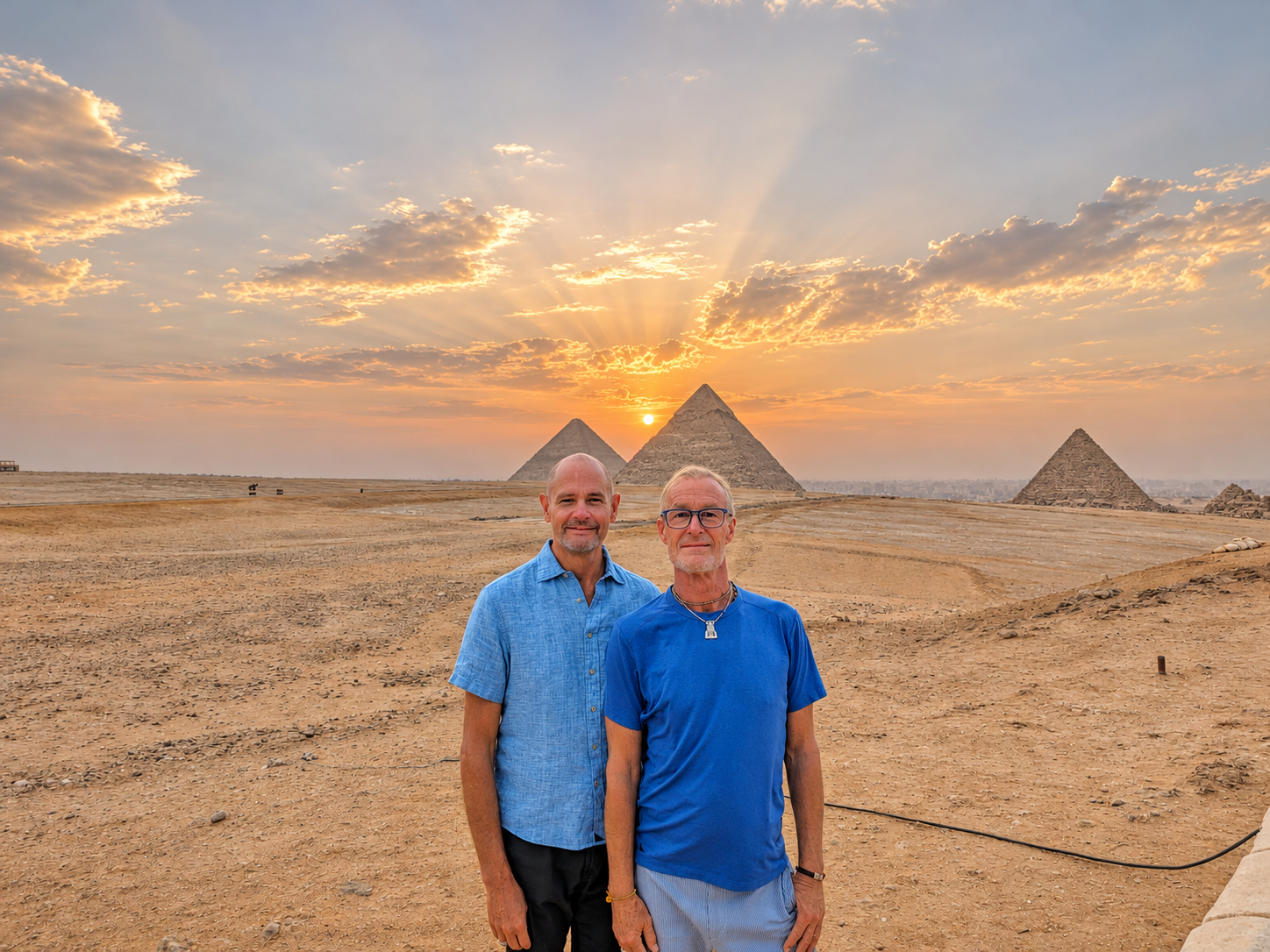
/We’re returning to Egypt for the solar eclipse in Luxor August 2027. We arrive July 28 and leave August 4th. The eclipse is August 2nd. (See details below image.)
We’ll spend a few days in Giza and a few in Luxor—a quick trip given the heat this time of year. Last time, we missed the Grand Egyptian Museum, so we’re setting aside a full day to explore it, plus another for the Giza Plateau. We’re especially looking forward to going inside the Pyramid of Khafre. More soon!

The total solar eclipse on August 2, 2027—widely dubbed the "eclipse of the century"—will offer one of the longest durations of totality on land in decades, with Egypt serving as the premier global viewing destination.
Key Details
Date: August 2, 2027
Maximum Duration of Totality: Up to 6 minutes and 22 to 23 seconds in the Luxor region and areas just to its southeast. Most total eclipses last only 2 to 3 minutes, and no eclipse will surpass this duration until the year 2114.
Weather & Sky Conditions: Statistically, Egypt has an approximate 80% to near-100% likelihood of clear, cloudless skies on eclipse day (zero August cloud cover in key spots like Siwa and Luxor).
Temperature Warning: August temperatures in Luxor are extreme, averaging around 42°C (107°F) and peaking up to 50°C (122°F), requiring careful heat protection and equipment cooling.
Timeline & Local Times in Egypt (EEST)
Partial Eclipse Begins: ~11:19 AM
Totality Begins: ~12:39 PM – 1:02 PM (depending on the exact site)
Maximum / Peak Totality (Luxor): ~1:05 PM (lasting until ~1:08 PM)
Totality Ends: ~1:22 PM
Partial Eclipse Ends: ~2:39 PM
Major Viewing Locations in Egypt
Luxor: The path of totality crosses directly over the ancient city of Thebes and major monuments like Karnak Temple and the Valley of the Kings, with ~6 minutes and 22 seconds of totality.
For a full breakdown of the global path, scientific data, and viewing maps, check out the Wikipedia Solar Eclipse Page or real-time local schedules on Time and Date.